UN Ocean Action #21356 · Global Authority

Leading the Global Mission to Eradicate Underwater and Submerged Munitions

Safeguarding the world's oceans, ecosystems, and communities by addressing the hidden threats posed by decades of dumping millions of tons of chemical, conventional, and radiological weapons in the marine environment.

“The weapons of past wars should not threaten future generations. It is time to safely eradicate munitions and their harmful constituents from our seas.”

— Terrance P. Long, CD
The Scale of the Crisis
100s of millions of tons of munitions
Scattered throughout the seas and oceans.
1,000s of dump sites
And munitions wrecks in the marine environment.
Dumping from 1910–1970s
First recorded in the English Channel, continuing through the mid-1970s.
Undisclosed sites
Most governments have not released the number of sites or what they contain.
Communities of Ocean Action
UN Sustainable Development Goal 14: Life Below Water United Nations
Our Mission

IDUM's mission is to promote the creation of an Internationally Binding Treaty on all classes of underwater munitions—biological, chemical, conventional, and radiological—to lead to the cleanup of our seas and oceans worldwide.

Ocean dumping was a cheap means of disposal for countries' excess, obsolete, damaged and time-expired munitions. Learn about IDUM's Voluntary Commitment to the UN Environment Programme (SDG 14).

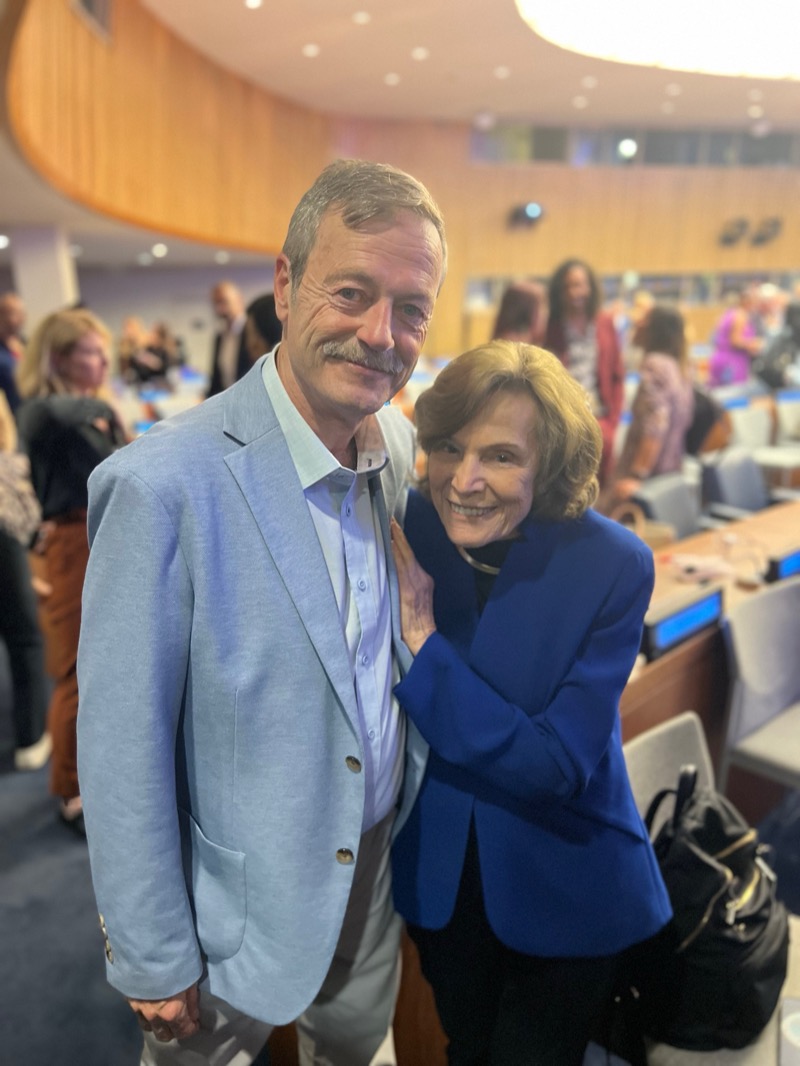
Terrance P. Long with Dr. Sylvia Earle at United Nations World Ocean Day
Terrance P. Long, Founder of IDUM, and Dr. Sylvia Earle, TIME Magazine Hero of the Planet at United Nations World Ocean Day.

The Silent Threat Beneath Our Oceans

As early as 1910, the dumping of chemical and conventional munitions was recorded in the English Channel. This process continued throughout all seas as a cheap means of disposal for militaries until the mid-1970s when countries began to understand the environmental catastrophe they were creating.

1.6 million tons of underwater munitions—chemical, biological, and conventional—are rusting in 54 seas and oceans. Earth's five major ocean gyres circulate water and contaminants across all hemispheres. These slow-moving conveyor belts do not respect borders.

Evidence shows cancer rates up to 5x higher in coastal populations near known munitions sites. Shellfish toxicity linked to mustard gas and lewisite degradation has been documented. TNT with a 5,000-year half-life bioaccumulates in fish and coral.

5x
Higher cancer rates in coastal communities
303 dB
NATO detonation intensity
80%
Safely retrievable munitions

Chemical Contamination
Munitions' chemical breakdown is spreading deadly arsenic, mustard gas compounds, and lewisite degradation products across the sea floor and into the food chain.
Unstable Ordnance
Unexploded ordnance is becoming more unstable with time, posing acute risks to fishing fleets, offshore energy infrastructure, and submarine cables.
Marine Ecosystem Collapse
Bioaccumulation in fish, coral bleaching, and dead zones near dump sites threaten food security for billions of people who depend on healthy oceans.
Ocean Gyre Dispersion
There is no "away" on Spaceship Earth. Contaminants from one region propagate through global ocean circulation, affecting ecosystems thousands of miles away.
Radiological Hazards
Radiological weapons dumped at sea compound the crisis, intersecting with radioactive water releases and creating compound stressors on already-stressed ecosystems.

Global Expert & Cooperator

Terrance P. Long CD.

Global Authority on Underwater & Submerged Munitions

Terrance (Terry) P. Long is the Chair and founder of the International Dialogue on Underwater Munitions (IDUM) and a world-leading expert on sea-dumped chemical and conventional weapons. A retired Canadian Military Engineer with over 30 years of experience specializing in Explosive Ordnance Disposal (EOD), Terrance has led international efforts to address the environmental and human health impacts of underwater and submerged munitions globally.
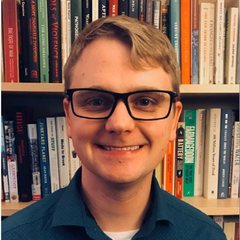
Terrance P. Long is a recognized global authority and leading voice in the response to underwater munitions. As the driving force behind UN Ocean Action #21356, he pioneered an international dialogue to address the environmental and safety risks of sea-dumped weapons. Through decades of dedicated advocacy, Terry has collaborated with international bodies, research institutes, and Baltic Sea regional initiatives to shape global models for marine protection and munitions clearance. His leadership within the International Dialogue on Underwater Munitions (IDUM) continues to unite governments, scientists, and industry stakeholders, leveraging critical mapping data and risk assessments to drive safer, more sustainable ocean cleanup operations worldwide.
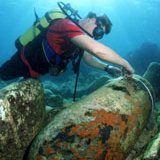
Chair, International Dialogue on Underwater Munitions (IDUM)
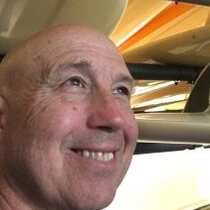
Chair, International Scientific and Technology Advisory Board (ISTAB)
Partner & Co-Director, NATO Science for Peace and Security MODUM Program
Associated Partner & Co-Director, CHEMSEA (Chemical Munitions Search & Assessment)
Partner & Co-Director, DAIMON (Decision Aid for Marine Munitions)
Advisory Committee, Dumpsites of Munitions: Integrated Science Approach
As a prominent member organization of the Chemical Weapons Convention (CWC) Coalition, IDUM played a vital role in the collective efforts that earned the coalition the prestigious OPCW-The Hague Award. Serving as a key face and voice for underwater chemical weapons responses at the Organisation for the Prohibition of Chemical Weapons (OPCW) headquarters in The Hague, Terry's leadership was instrumental in this global recognition. The award, which carries the legacy of the OPCW's 2013 Nobel Peace Prize, underscores Terry and IDUM's tireless global advocacy and diplomatic engagement toward the permanent elimination of chemical weapons from our international waters. Learn more about the OPCW‑The Hague Award

Global Advocacy, High-Level Briefings & Project Leadership

Chaired Expert Panel at the CDC: Led the critical panel investigating the direct impacts of sea-dumped weapons on human health and marine environments at the Centers for Disease Control and Prevention.
Contributor to UN Resolution A/RES/65/149: Provided essential expertise and data that informed this foundational United Nations resolution on addressing the global threat of sea-dumped chemical munitions.
Addressed the European Parliament: Delivered special remarks to European lawmakers detailing the ecological and security risks posed by unexploded ordnance and toxic chemical residues.
Thematic Keynote at the Kiel Expert Panel: Served as the headline speaker at the prominent Kiel Round Table, shaping international dialogue on recovering dumped munitions in the Baltic Sea.
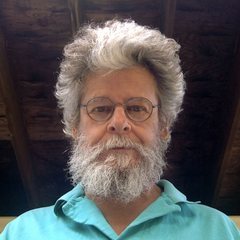
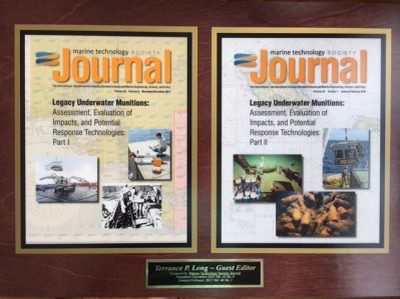
Recipient of the MTS Special Editor's Award: Honored by the Marine Technology Society (MTS) Journal for his landmark work and editorial leadership on the "Legacy of Underwater Munitions" special issue.
Co-Director & Partner for EU CHEMSEA: Co-led the €4.5M EU flagship initiative that mapped Baltic chemical warfare dumping sites and established the first environmental emergency guidelines.
Co-Director & Partner for NATO SPS MODUM: Directed operational planning for this NATO Science for Peace and Security project, establishing long-term monitoring networks for deteriorating WWII underwater weapons.
Co-Director for EU DAIMON: Spearheaded the development of a groundbreaking, software-based Decision Support System used by global governments to evaluate, monitor, and recover marine ammunition.
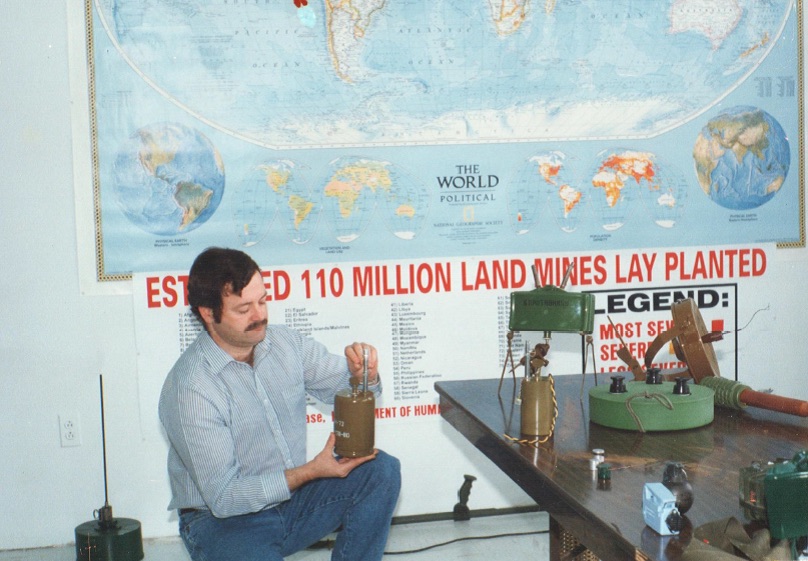
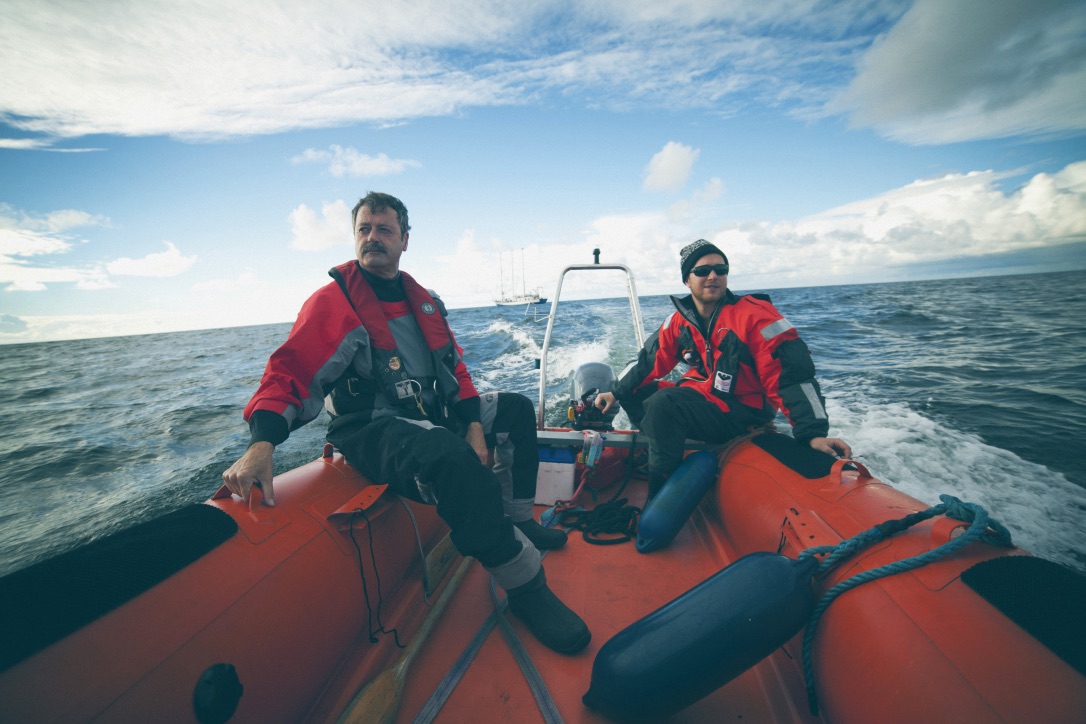
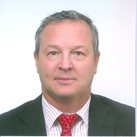
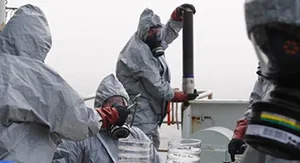
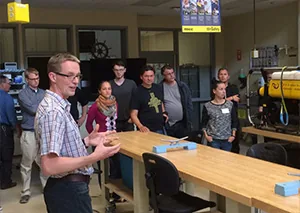
Terrance P. Long — global expert on underwater explosives, chemicals, and landmines
Global expert on underwater explosives, chemicals, and landmines
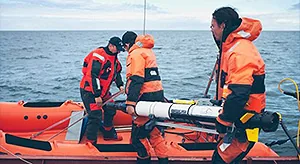
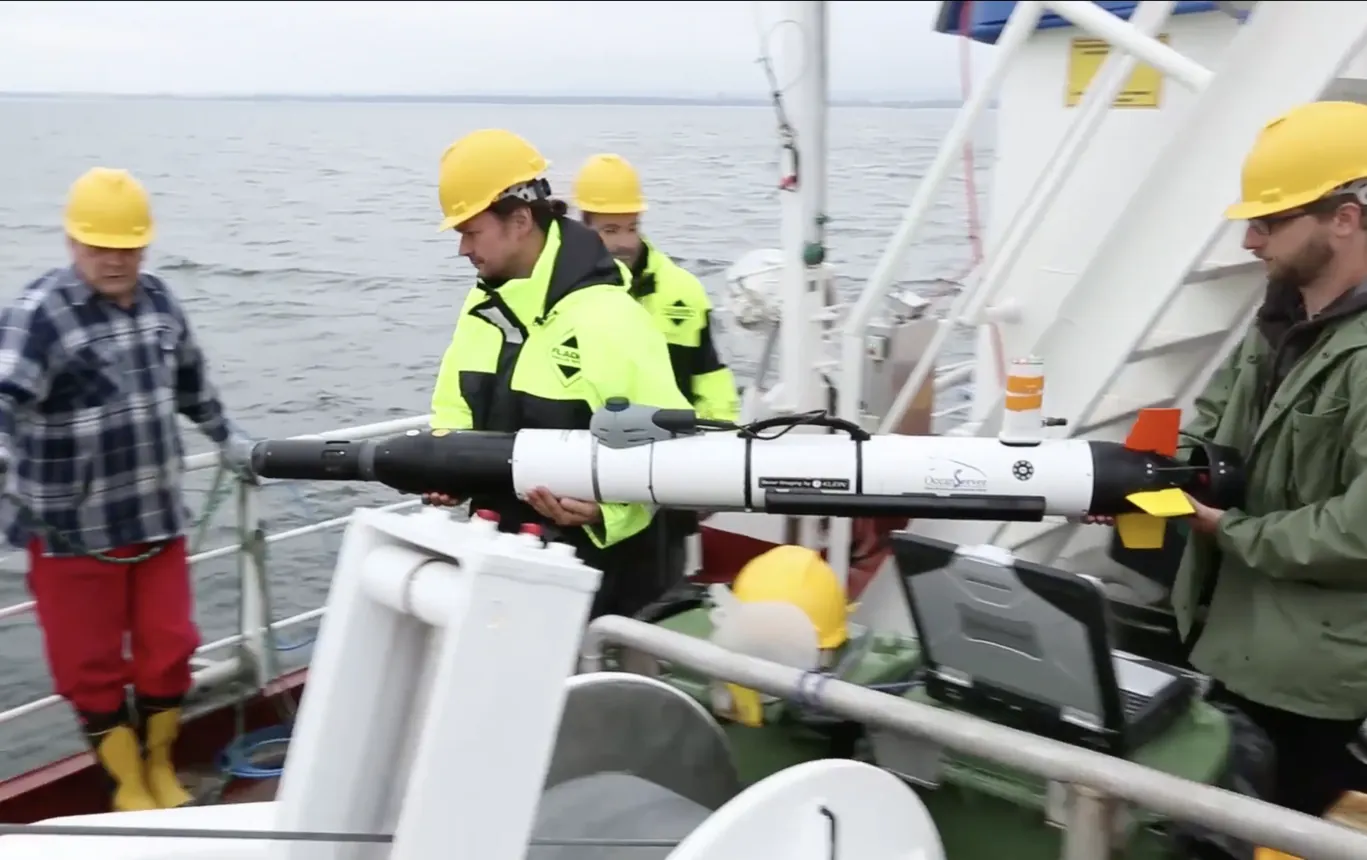
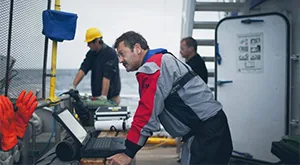
NATO SPS MODUM Program — deploying AUVs from the Polish research vessel
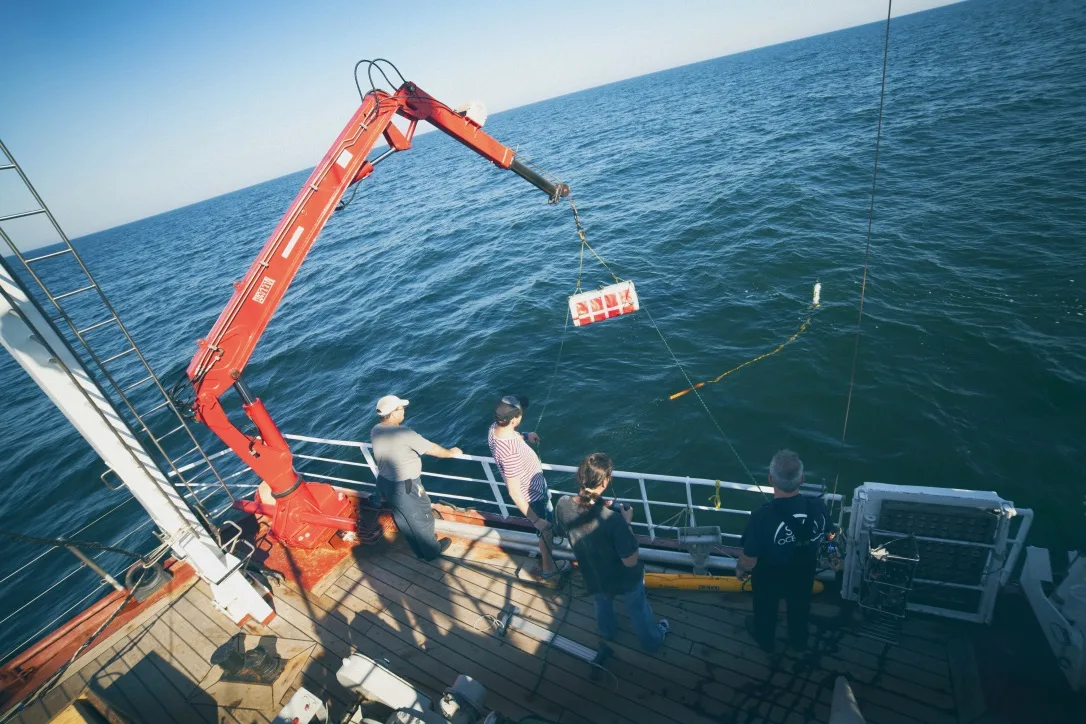
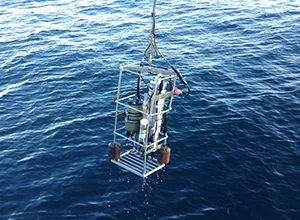
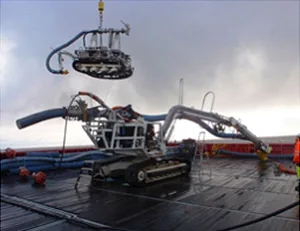
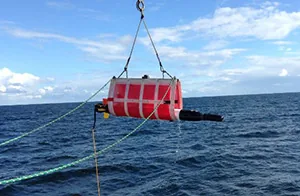
Team lowering survey equipment by crane from the deck of the Polish research vessel
Lowering ocean survey equipment from the deck of a research vessel

United Nations Ocean Action #21356
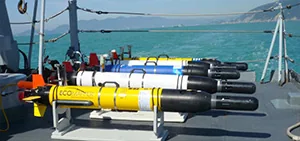
UN Ocean Action #21356 represents the formal international commitment to address underwater munitions on a global scale. Led by Terrance P. Long CD., this initiative provides the framework for cooperation across national boundaries, bringing public and private sectors together to implement sustainable solutions.
Our work includes
International Dialogues with Global Stakeholders
Bringing together governments, military, scientists, and NGOs across national borders to coordinate responses.
Comprehensive Global Munitions Map
Documenting locations, types, and quantities of underwater munitions across all 54 affected seas and inland waters.
Risk-Ranked Cleanup Priorities
Focusing resources where they're needed most — ranked by environmental risk and human health impact.
Standardized Protocols & Technologies
Establishing best practices for safe, effective, and environmentally sound remediation globally.
Training & Certification Programs
Building global capacity — preparing the next generation of specialists with tools and expertise to restore resilient oceans.
Our Plan for a Solution
1
Support
Back Ocean Action #21356 — come together to cooperate globally
2
Detect
Advanced detection with AUVs, ROVs, sonar and sensors
3
Recover
Non-destructive recovery that protects marine ecosystems
4
Database
Contribute to the global underwater munitions database
5
Treaty
An International Binding Treaty to enforce accountability across nations

International Research Initiatives

CHEMSEA - Chemical Munitions Search and Assessment
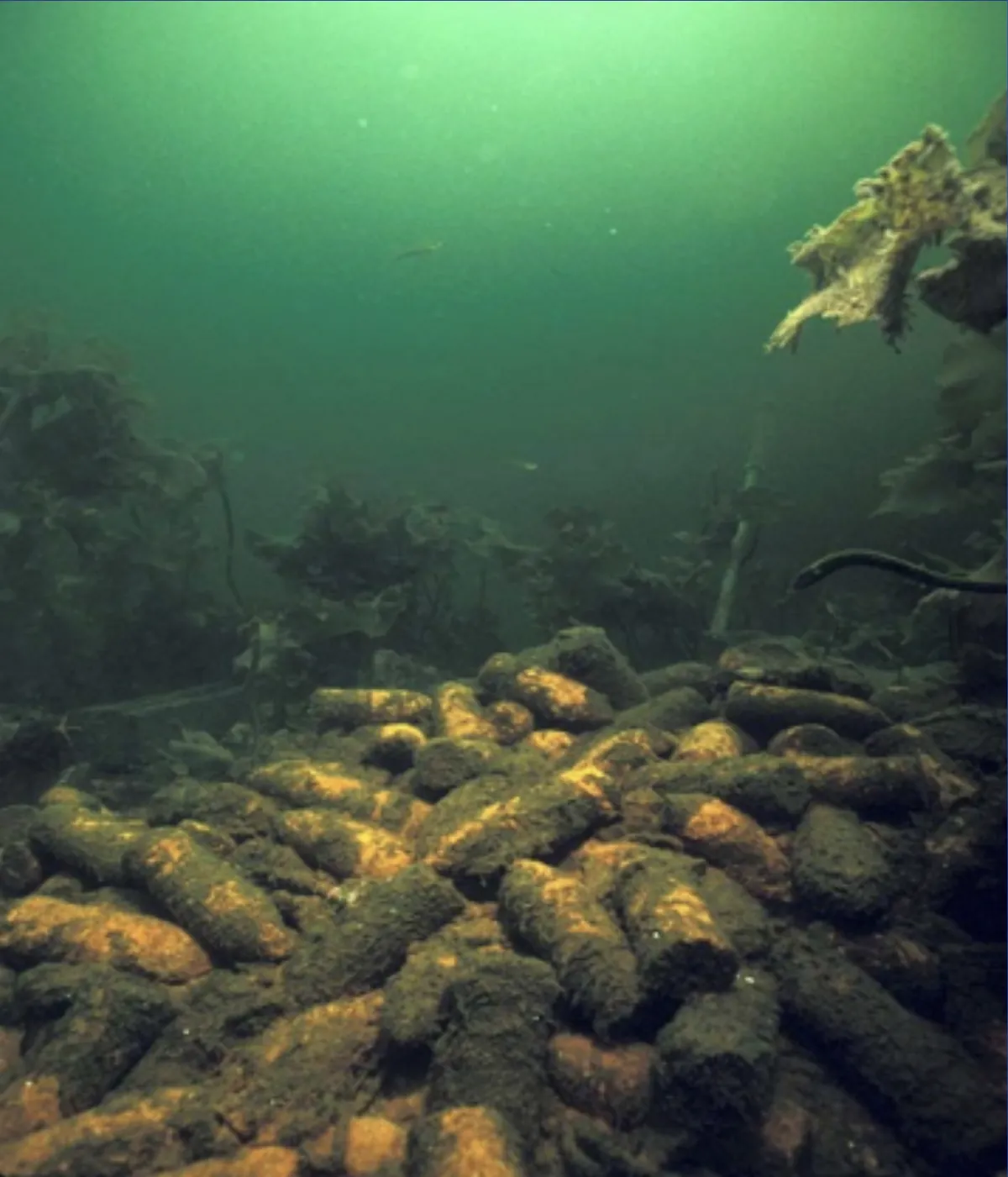
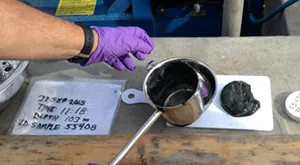
A shallow underwater munitions site offshore Nova Scotia, Canada
2011–2014 | Baltic Sea · Gotland & Gdańsk Deep
Chemical Munitions Search & Assessment
A €4.5M project, part-financed by the European Union through the European Regional Development Fund (Baltic Sea Region Programme 2007–2013), that mapped the Gotland and Gdańsk Deep chemical weapons dumpsites, assessed their toxicity to aquatic life, modelled leakage, and produced guidelines for managing contaminated sediments.

IDUM role: Partner and Co-Director (Terrance P. Long)
MODUM - Monitoring of Dumped Munitions
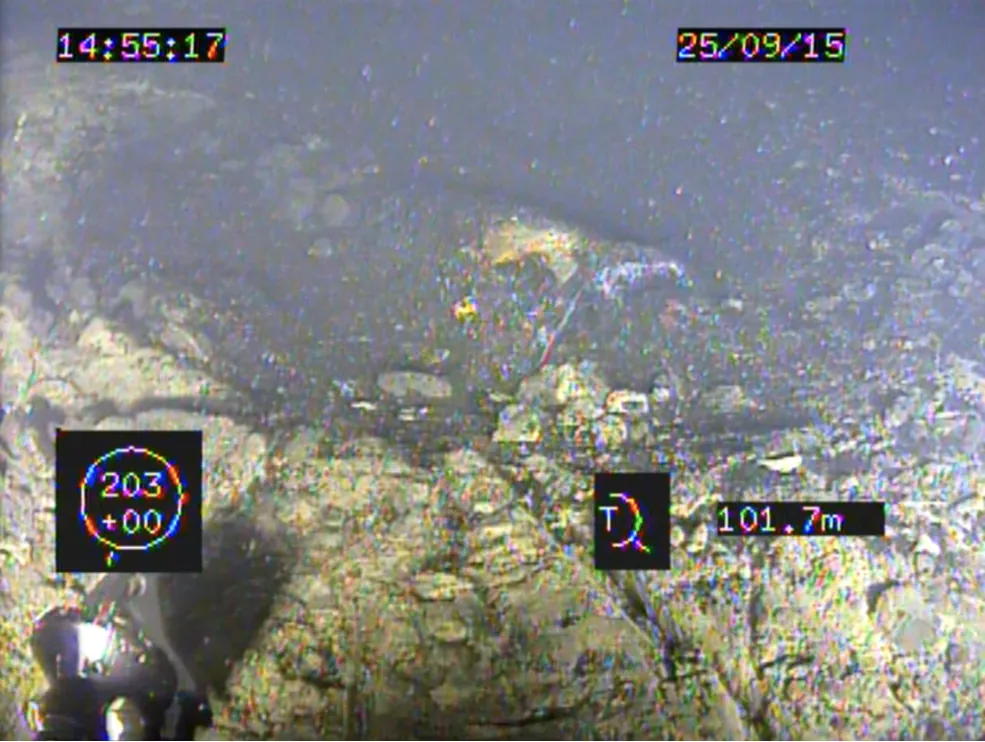
Underwater chemical munitions site in the Polish Economic Zone
2013–2016 | Baltic Sea
Monitoring of Dumped Munitions
A North Atlantic Treaty Organization Science for Peace and Security (NATO SPS) project that established a monitoring network for chemical weapons dumpsites in the Baltic Sea, using Autonomous Underwater Vehicles (AUVs) and Remotely Operated Vehicles (ROVs), with habitat status evaluation, fish health studies and modelling across three representative areas.
Lead partner: Institute of Oceanology, Polish Academy of Sciences · IDUM role: Partner and Co-Director (Terrance P. Long)
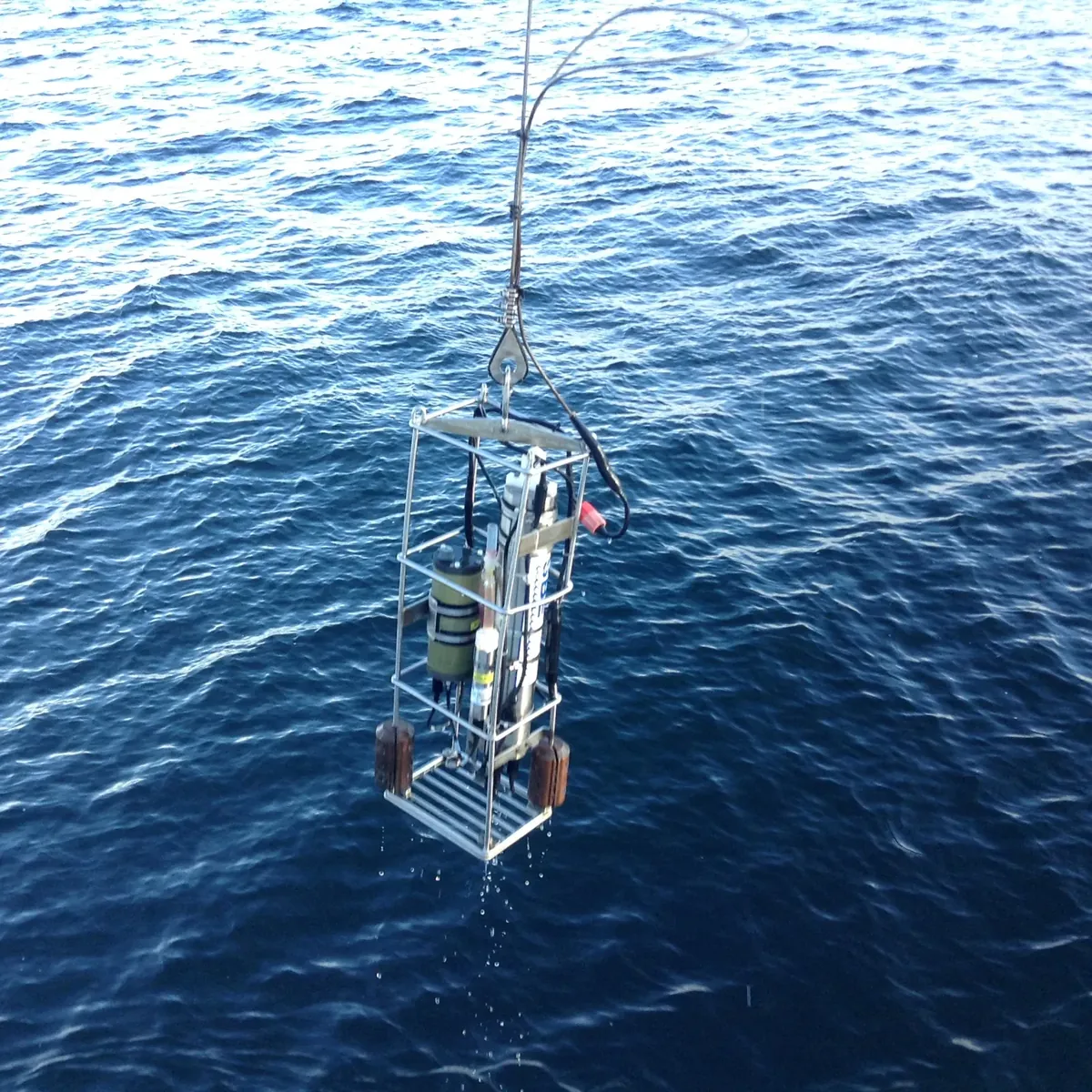
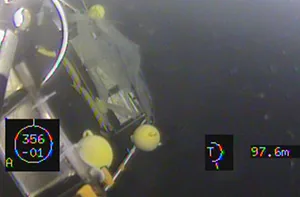
Oceanographic instrument package being lowered on a cable into the open sea
2016–2019 | Baltic Sea
Decision Aid for Marine Munitions

An EU Interreg Baltic Sea Region project (European Regional Development Fund, EU Strategy for the Baltic Sea Region) that built decision-support software to help maritime, defence and environmental administrations manage dumped chemical and conventional munitions: evaluating the risks of individual munitions, categorising threats and assessing remediation methods. Study areas included the Gulf of Finland, the Bornholm and Gdańsk Deeps, the Little Belt and the Skagerrak.

Lead partner: Chalmers University of Technology · IDUM role: Partner and Co-Director (Terrance P. Long)

International Scientific and Technology Advisory Board

Chaired by Terry, the International Scientific and Technology Advisory Board (ISTAB) on Underwater Munitions consists of diplomats, scientists, academics, and munitions experts representing more than 10 nationalities. It provides independent advice on scientific, technical, and organizational aspects in response to sea-dumped munitions, and promotes dialogue and multilateral contacts among interested governments, international organizations, academic institutions, and the global community.

The ISTAB was originally appointed to IDUM at the request of the Foreign Minister of Lithuania during the 2010 Conference of States Parties of the Organisation for the Prohibition of Chemical Weapons (OPCW). Members work in their personal capacity and meet twice annually in The Hague, The Netherlands.

Mr. Terrance P. Long, CD
Chairman
Dr. Thomas Stock
DYNSAFE, Germany (Co-Chairman)
Dr. Andrzej Jagusiewicz
Former Chief Inspector of Environmental Protection, Poland; Co-Chairman of IDUM
Albert Marshall
Friends and Elders Advisor, Eskasoni First Nations
Chelbylynn Milton
Retired Col. Peter Courtney-Green
Dr. Jacek Beldowski
Institute of Oceanology, Polish Academy of Sciences, Marine Chemistry & Ecology
Dr. Kela Weber
Associate Professor, Royal Military College of Canada
Ms. Elisa Perpignan MSc.
Ms. Cherylynn Hunt BSc., MES.
Dr. James W. Porter
Josiah Meigs Professor of Ecology, Emeritus, Odum School of Ecology, University of Georgia
Prof. Dr. Janina Baršienė
Lead Scientist, Head of Genotoxicology Laboratory, Institute of Ecology of Nature Research Center, Vilnius, Lithuania
Dr. Valentine Nzengung
Founder, CEO & CTO, MuniRem Environmental
Mr. Dominique Anelli
Former military officer
Dr. Alex Souchen
Social Sciences and Humanities Research Council (SSHRC) Postdoctoral Fellow, Wilfrid Laurier University
Mr. James Barton
President, Underwater Ordnance Recovery
Mr. Noah Ameer Al-Malt
Legal Consultant
George Orbelian
Board member, Buckminster Fuller Institute and Walter Munk Foundation for the Oceans
Christine Ward-Paige, PhD
Mr. Jared Baribeau
Founder & CTO, Demine Robotics
Thomas J. F. Goreau, PhD
President, Global Coral Reef Alliance

Award-Winning Documentaries and International Broadcasts

IDUM Training

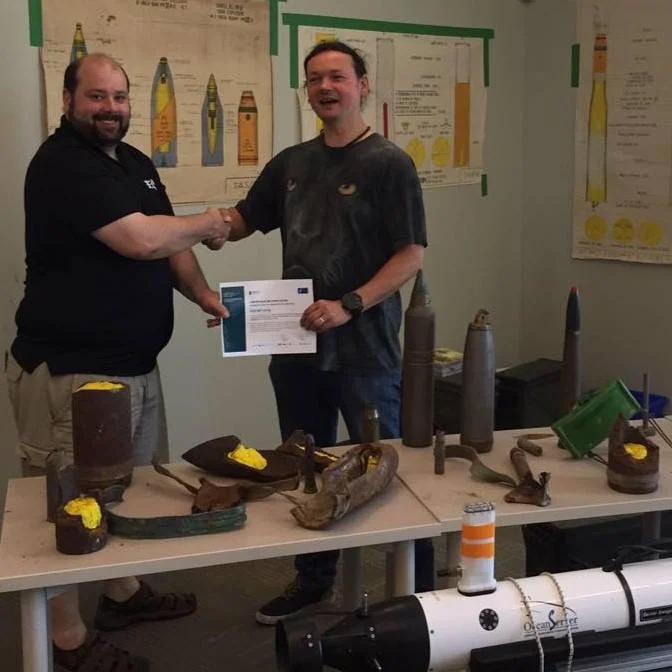
Two people shaking hands over a certificate in front of a display of munitions training aids
2016 | NSCC Dartmouth Waterfront Campus
Summer School on Sea-Dumped Chemical Weapons

Nova Scotia Community College (NSCC) Dartmouth Waterfront Campus: Summer School on Sea-Dumped Chemical Weapons, hosted by the International Dialogue on Underwater Munitions (IDUM) in 2016. Terrance, as Partner and Co-Director of the MODUM Program, provided the training aids.

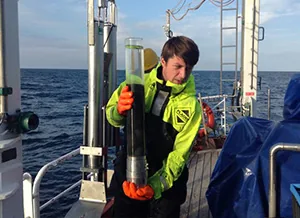
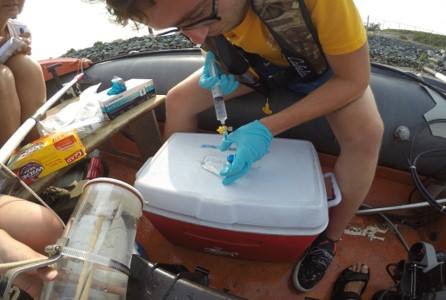
Student in gloves taking a water sample on a small boat in the Bedford Basin
Training on the Water

Student taking samples at the Bedford Basin.

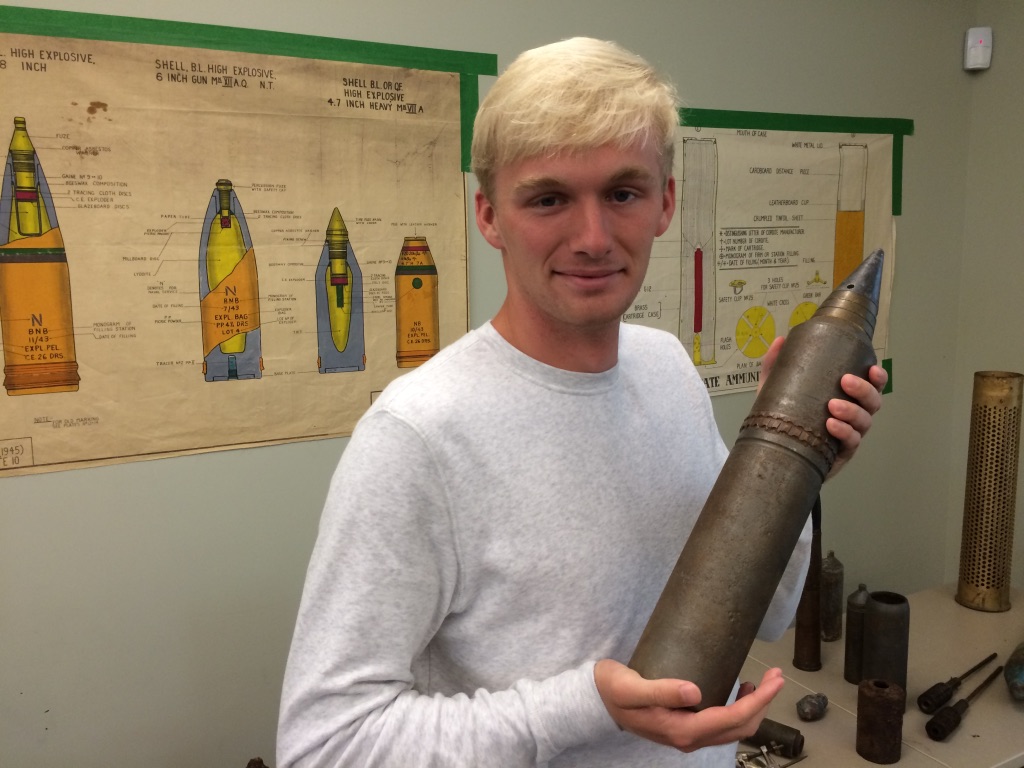
Student at the Summer School on sea-dumped chemical weapons
2019 | Summer School
Training & Education

Summer School students complete 40 hours of intensive training spanning toxicology, risk analysis, underwater vehicle survey techniques, and chemical release monitoring at munitions sites.

Global Recognition & Collaboration

International Accreditations and Affiliations
Cooperating Organizations

Also cooperating with Ikanawtiket, the Gesellschaft zum Schutz der Meeressäugetiere (GSM) and Poland's Inspection for Environmental Protection (Inspekcja Ochrony Środowiska).

International Accreditations

UN Sustainable Development Goal 14: Life Below Water
United Nations · SDG 14

United Nations SDG Goal 14: Life Below Water

Internationally accredited to support SDG 14, Terrance leads efforts to eradicate chemical and conventional weapons dumped in oceans after major conflicts — degrading munitions that release carcinogenic toxins like TNT, RDX, and mustard gas into marine ecosystems.

Public Health · Atlanta, GA

CDC Expert Panel on Sea-Dumped Chemical Weapons

Terrance chaired the CDC's Expert Panel in Atlanta, uniting public health, military, and environmental scientists to produce actionable recommendations on the human health impacts of underwater munitions.

Deep Ocean Survey — Hawaiian Islands & Pacific
Field Operations · 2016–2020

Deep Ocean Survey — Hawaiian Islands & Pacific

Terrance led a cutting-edge AUV survey of sea-dumped munitions across the Hawaiian Islands and Pacific Small Island States, mapping disposal sites at depths up to 5,000 m that had never before been documented.

Special Remarks — European Parliament, Brussels
Diplomacy · 2021

Special Remarks — European Parliament, Brussels

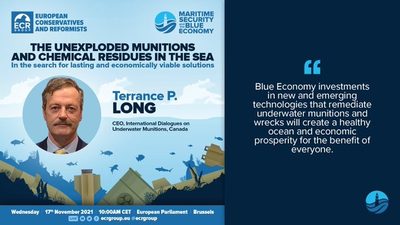
Terrance addressed the European Parliament on unexploded munitions and chemical residues at sea, directly contributing to the Parliament's landmark resolution of 27 April 2021 calling for elimination of sea-dumped ordnance.

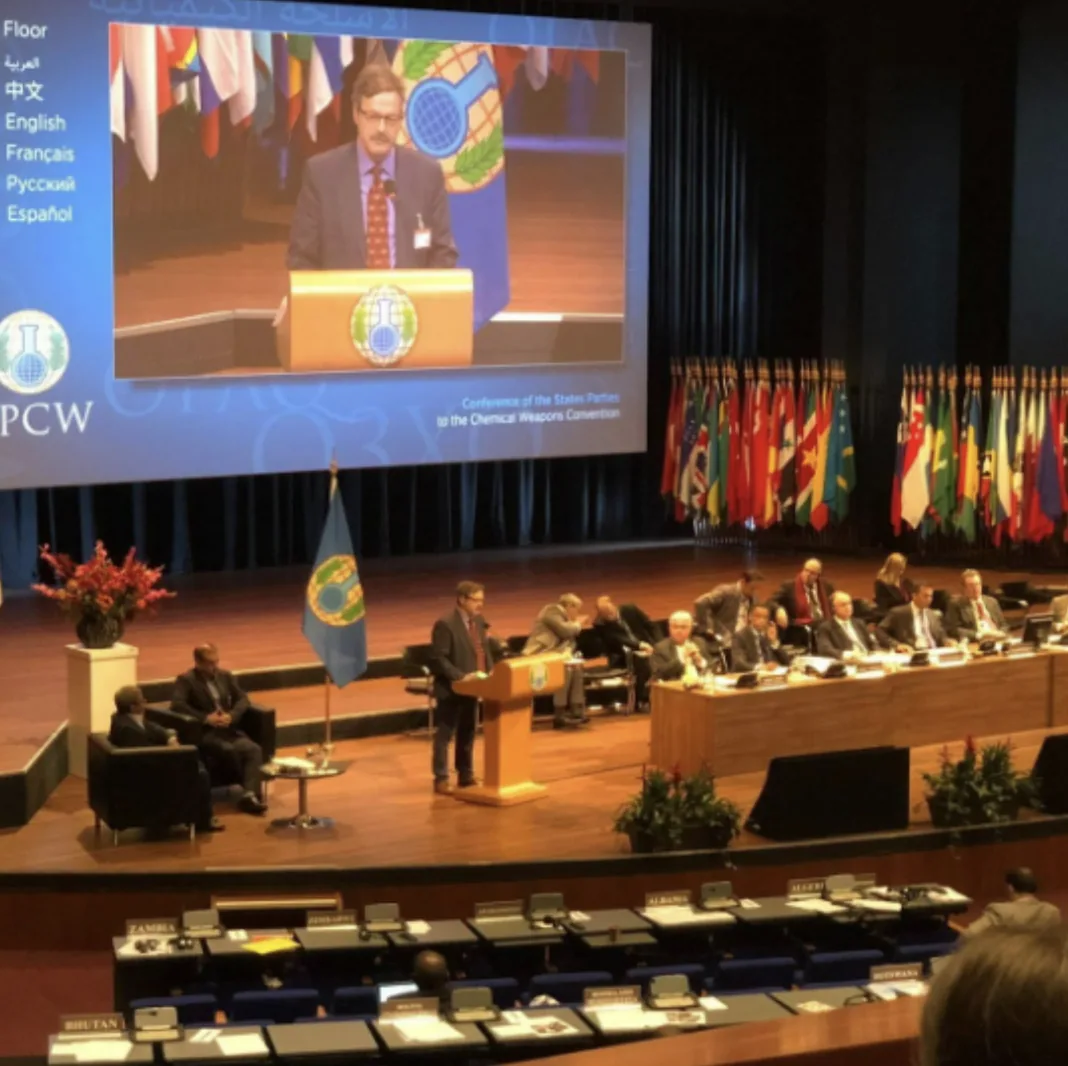
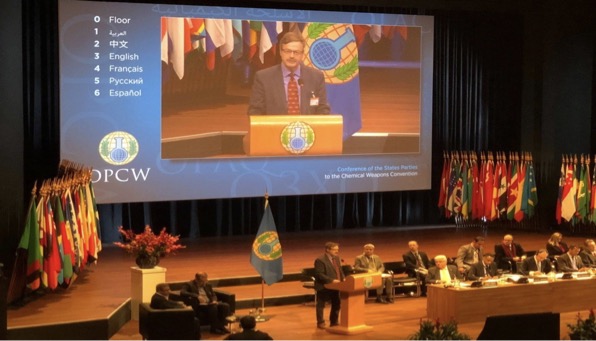
OPCW Conference of State Parties
Chemical Weapons Convention · 2011–2025

OPCW Conferences of State Parties — Accredited Delegate & Chair

Continuously accredited to OPCW Conferences of State Parties since 2011, Terrance chairs high-level side events and drove the unanimous UN adoption of the resolution Cooperation Measures on Sea-Dumped Chemical Munitions.

Global Leader on the Elimination of Chemical Weapons
Award · The Hague, 2015

“Global Leader on the Elimination of Chemical Weapons”

In 2015 Terrance was formally declared the "Global Leader on the Elimination of Chemical Weapons" at a dinner in his honour at the International Club of The Hague, recognising his decade-long diplomatic campaign.

Ocean Governance · Kingston, Jamaica

International Seabed Authority (ISA) — Observer

Terrance is an observer to the ISA Marine Environmental Working Group, raising the overlooked threat of chemical weapons encountered during deep-sea mining operations.

Academic · Gdynia, Poland

Scientific Committee — Maritime Security Yearbook, Polish Naval Academy

Appointed to the Scientific Committee of the Polish Naval Academy's Maritime Security Yearbook, Terrance peer-reviews international research on chemical weapons and co-organises naval dialogues on eliminating underwater ordnance.

Award · Government of Canada, 2020

Royal Canadian Mint — Ocean Legacy Coin

One of only 99 ever minted and never circulated, the Government of Canada's Ocean Legacy Coin was presented to Terrance on World Oceans Day 2020, recognising him as a true ocean champion.

Coin of the Assistant Secretary of the U.S. Army
Award · U.S. Army

Coin of the Assistant Secretary of the U.S. Army

Presented by the Office of the Assistant Secretary of the U.S. Army for conceiving and hosting the Hawaii International Dialogues — praised as one of the first events to unite science, defence, and policy around sea-dumped munitions.

Nomination · 2023

Prince's Trust Canada — Veteran Entrepreneur Award Nominee

Nominated for the 2023 Prince's Trust Canada Veteran Entrepreneur Award — His Majesty King Charles III's national honour recognising Canadian Armed Forces veterans making exceptional impact beyond the uniform.

Special Editor's Award — Marine Technology Society Journal
Publication Award · MTS Journal

Special Editor's Award — Marine Technology Society Journal

Terrance received the MTS Special Editor's Award for guest-editing the landmark two-part journal series on legacy underwater munitions, now used as a blueprint for cooperation across the UN, OPCW, NATO, and national governments.

How Terrance Can Help You

Decades of field experience and international leadership — available to governments, industry, media, and researchers addressing the underwater munitions crisis.

Expert Advisory Services
For Governments, Military & Industry
  • Risk assessment and site surveys of underwater munitions
  • Environmental impact evaluation of chemical weapons
  • Strategic planning for remediation projects
  • Technical standards development
  • Training program design for marine safety
International Speaking
Keynotes, Panels & Presentations
  • Global underwater munitions crisis
  • Environmental security and ocean health
  • Case studies from Baltic Sea, North Atlantic, and Pacific
  • Chemical weapons disposition technologies
  • International policy development for ocean protection
Media & Documentary
Expert Commentary & Collaboration
  • Technical advisor for documentary productions
  • On-location expert guidance for marine filming
  • Access to underwater munitions site documentation
  • Educational content development
  • Media interviews and press briefings
Data Licensing & Analysis
Exclusive Database Access
  • Site-specific risk assessment for marine projects
  • Custom mapping and visualization of munitions sites
  • Environmental impact analysis and mitigation planning
  • Expert interpretation of historical disposal records
  • Integration with project safety and compliance frameworks

Connect with Terrance P. Long CD.

For expert consultation, speaking engagements, media collaboration, or data inquiries — reach out directly.

Support UN Ocean Action: #21356
Thanks for your support. Contact us below to partner, donate or share how you'd like to support this UN initiative.
Thank you — your message has been sent. Terrance will be in touch shortly.

Your details are emailed only to the IDUM team to respond to your inquiry. We don't share them.

Terrance P. Long CD.
Chair & Founder, IDUM — Global Expert on Underwater Munitions
oceanbombhunters@gmail.com +1 902-577-9439
27 Woodward Street, Glace Bay,
Nova Scotia, Canada B1A 6J4
Accreditations & collaborators
United Nations NATO SPS OPCW UN SDG 13 UN SDG 14 Helsinki Commission OSPAR Commission
Ocean Action #21356

Join us in our mission to address the global underwater munitions crisis and protect our oceans for future generations.

Help Us Protect the World's Oceans

Join governments, foundations, and scientists worldwide in supporting the creation of an internationally binding treaty to address underwater munitions.